Energy Solutions
High energy costs and grid interruptions are a fact of life in the Caribbean. We design solar and battery systems around how your property actually uses power, then build them to fit it: grid-tied, hybrid or fully off-grid.
 NABCEP Board Certified PV System Inspector

Plan Before You Spend
EC$250 (XCD) for a site survey and energy-audit consultation with Alexis Lewis, for homes and small businesses in Antigua.
If you are considering solar, battery storage, backup power, or energy-efficiency improvements, the first step is understanding how your property actually uses electricity.
Your consultation includes a review of your property and energy needs, solar-system planning, equipment-selection guidance and access to our technical expertise.
Already have an installer? We can work with them to help you choose a system that suits your property and goals.
What We Offer
We design hybrid and grid-connected solar systems based on the property's energy use, available installation space, backup requirements, and long-term energy goals.
Important: All hybrid and grid-connected solar installations are subject to APUA's current application, approval, interconnection, and installation guidelines. Required approval must be obtained before installation begins.
Request Quote →Battery storage is sized and configured for the electrical loads it needs to support. We offer both indoor and outdoor-rated battery systems, depending on the property, available space, and customer preference. Outdoor-rated batteries are a practical option for customers who do not have suitable indoor space or prefer not to install batteries inside their home. Each system is designed around the customer's actual energy use, required backup time, installation conditions, and future expansion needs.
Request Quote →Practical efficiency upgrades that lower consumption before you size a solar or battery system, so you're not overpaying for capacity you don't need.
Request Quote →Energy solutions are a growing part of our product line. Contact us to discuss what's available for your property today.
Before We Size Anything
Two homes with the same size roof can need completely different systems. The difference comes down to how much energy you use, and how much power you draw at once.
Your electricity bill shows energy used, measured in kWh, your total consumption over the month. That number tells us roughly how large a solar array needs to be to offset your bill.
But a solar and battery system also has to handle peak demand, measured in kW, the power your property pulls the instant several things run together: an AC unit starting up, a water pump kicking in, a fridge compressor cycling on. A system sized only from your monthly bill can look adequate on paper and still fail to keep the lights on when it matters.
This is also why we recommend a short load-monitoring period before finalizing any system: it shows us the real peaks your average monthly bill can hide.
We look at recent months (ideally a full year) of utility bills to understand your baseline usage and how it shifts across seasons.
We identify what actually draws the most power on your property, AC units, pumps, fridges, water heaters, and when it runs.
Panel count, inverter size and battery capacity are sized to your real usage and your goal, whether that's backup-only or maximum independence.
Grid-tied, hybrid or fully off-grid, whichever setup fits your roof, your budget and how often the grid actually goes down in your area.
Built Around Your Property
There's no single "right" system. We'll help you weigh cost, independence and complexity so the setup matches how you actually want to use it.
Panels offset your utility bill and the grid covers the rest. The lowest-cost way to cut your APUA bill, best where outages aren't the main concern.
Solar and battery storage with the grid kept as backup. Keeps essential circuits running through outages while still offsetting day-to-day usage.
Solar and battery sized to run the property independently of the utility entirely. Requires the most careful load planning, and gives the most independence.
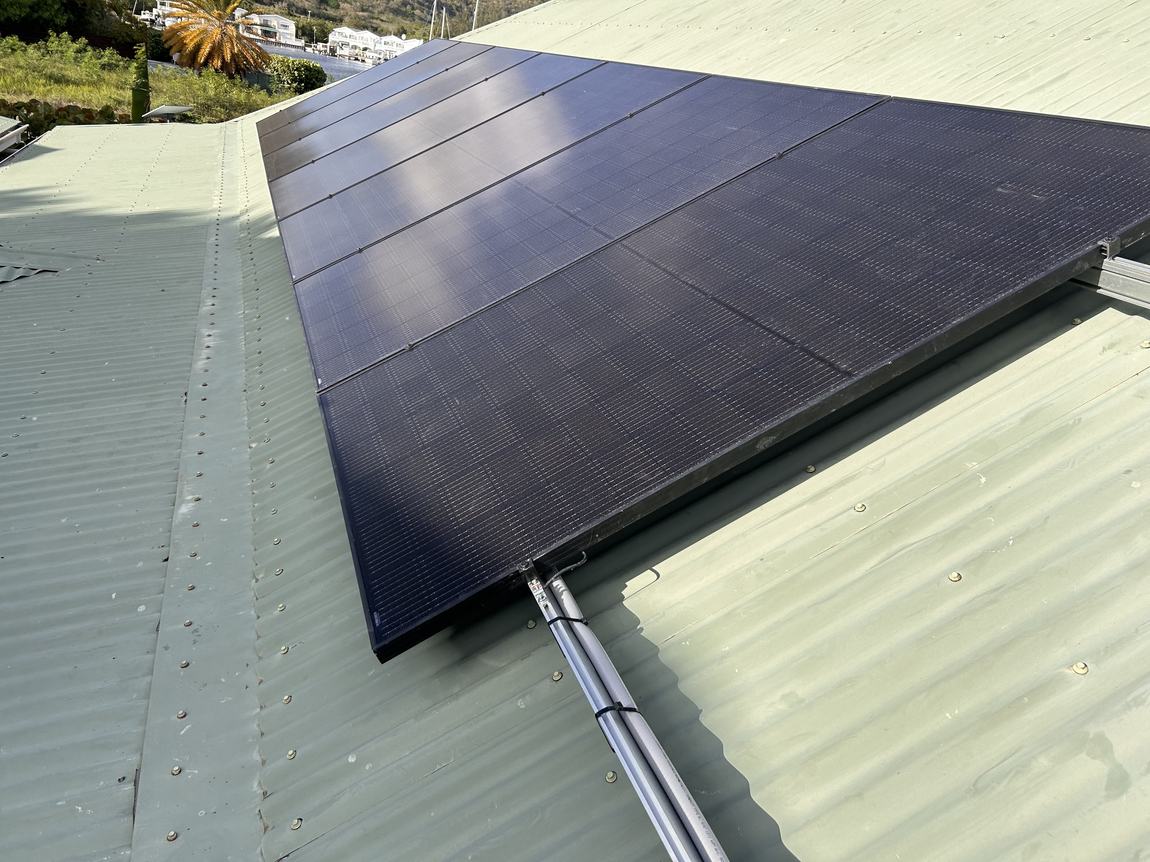
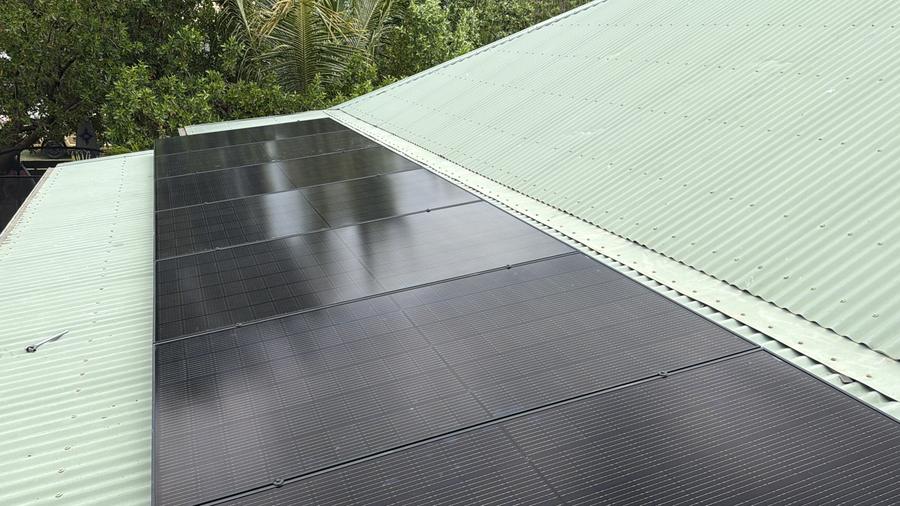
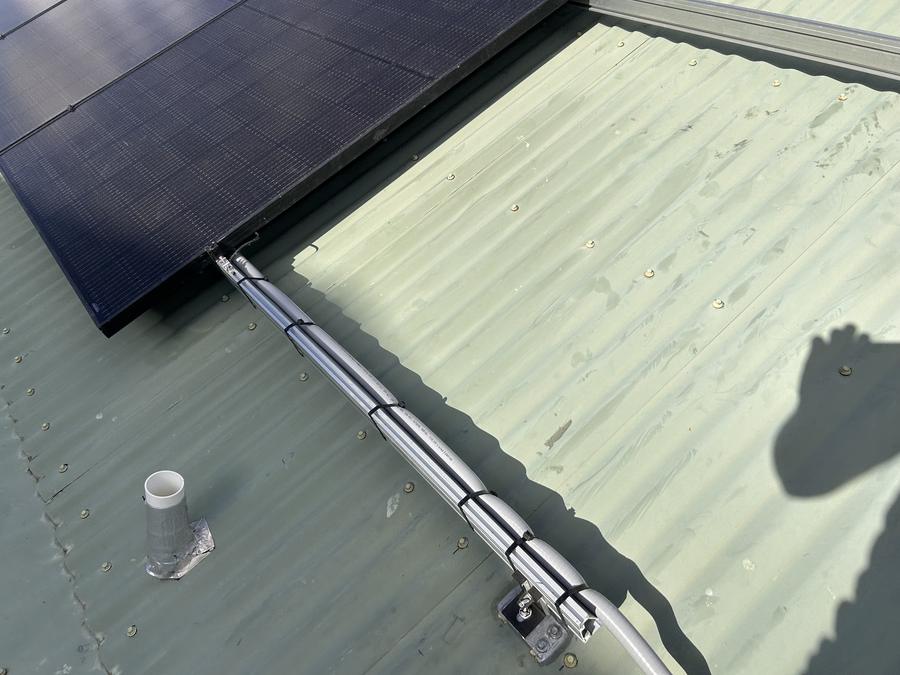
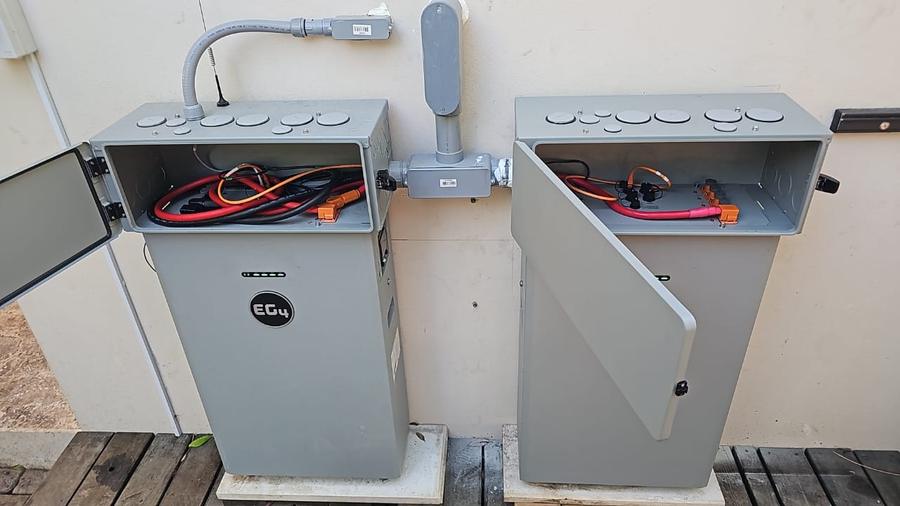
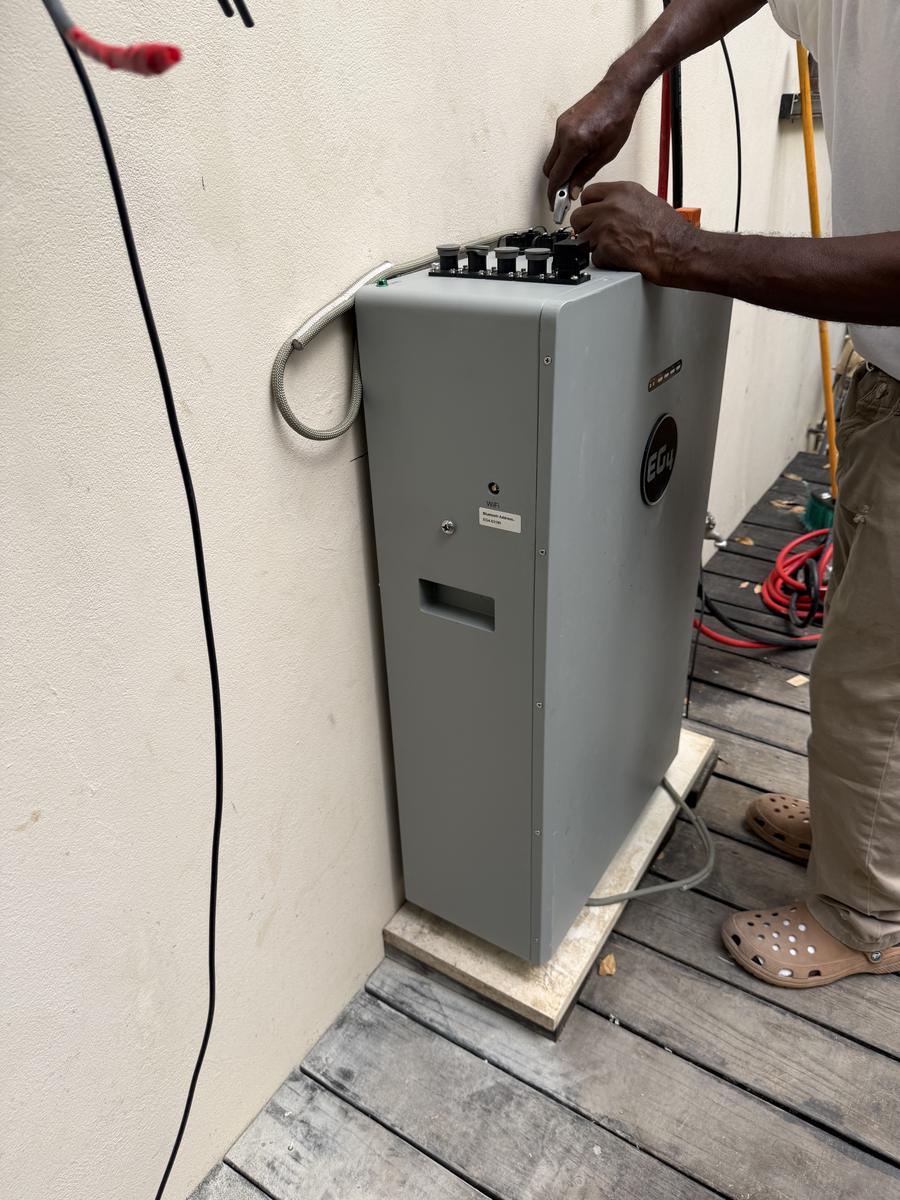
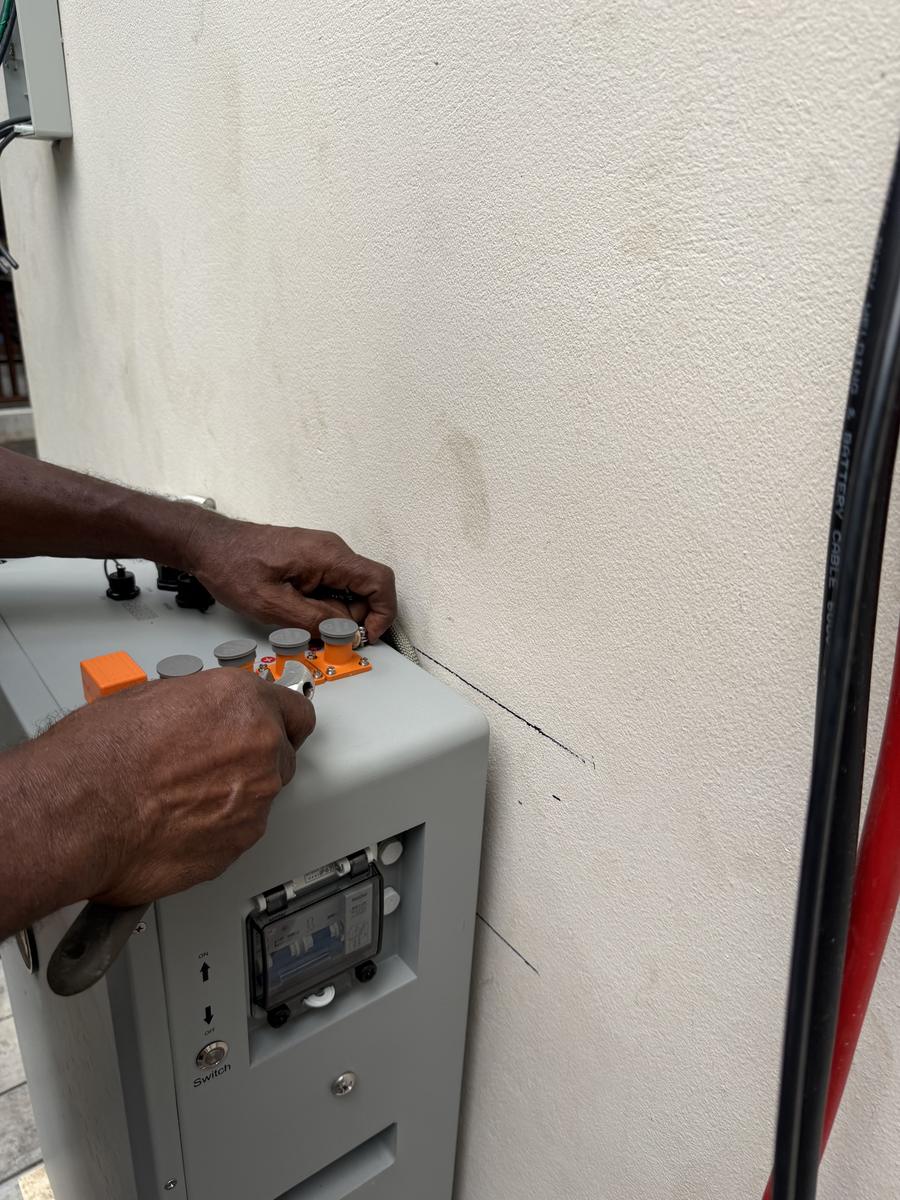
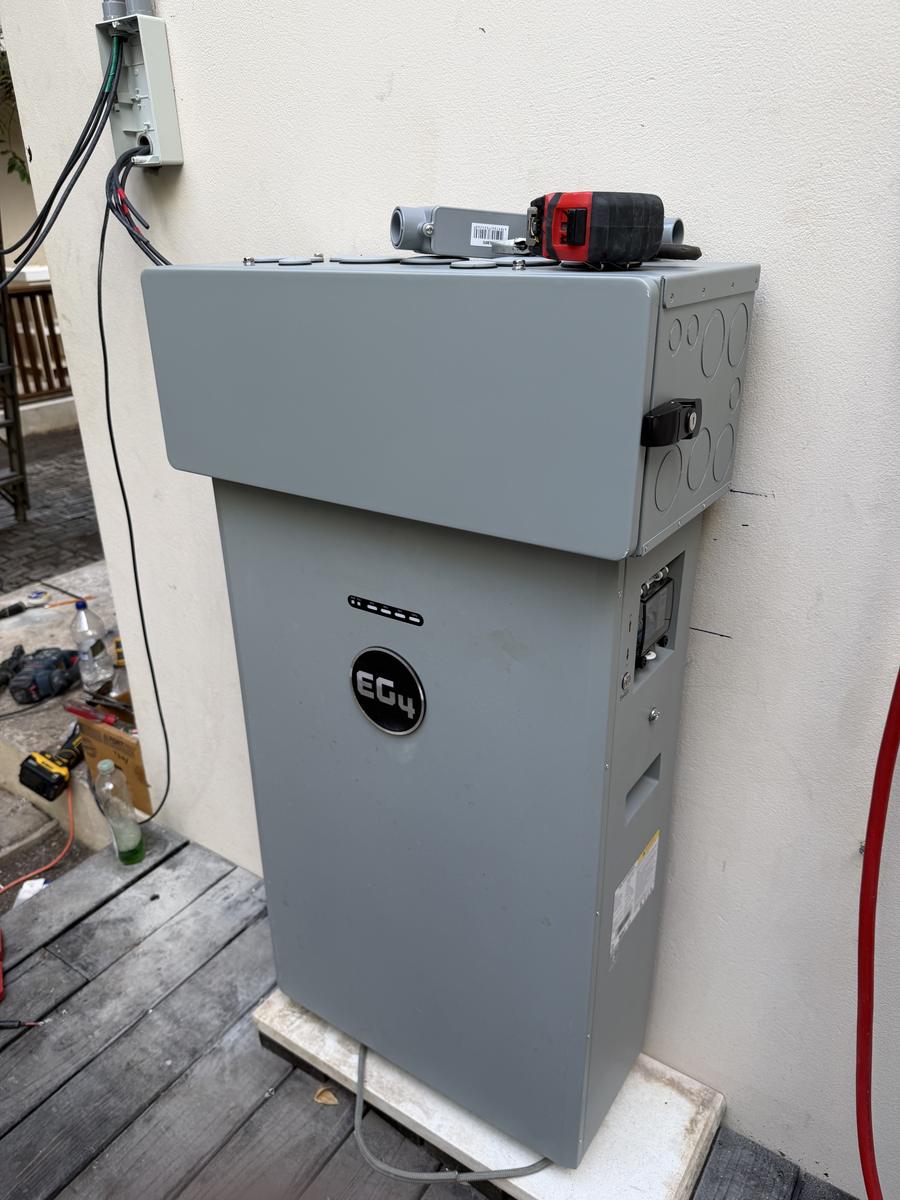
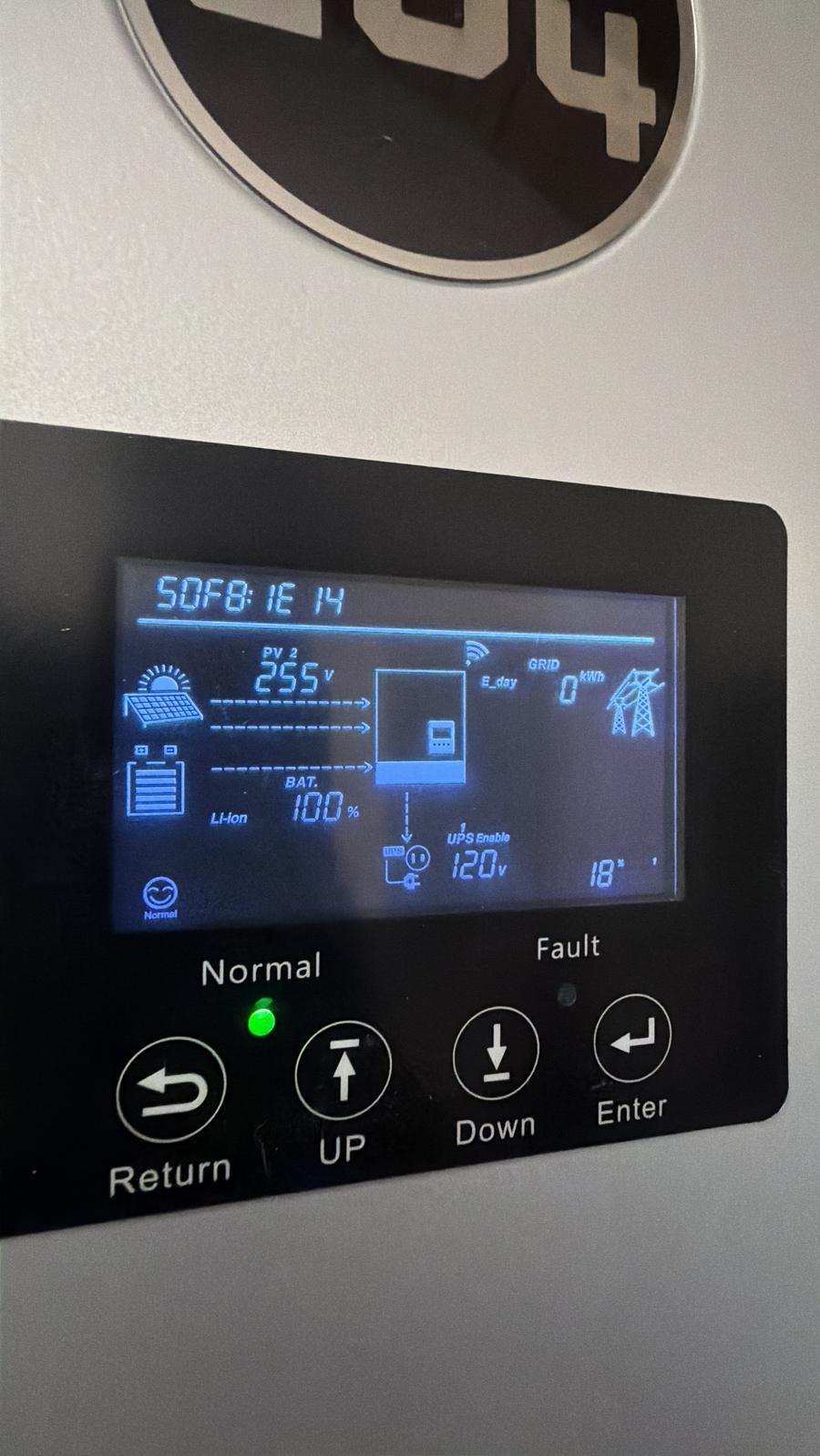
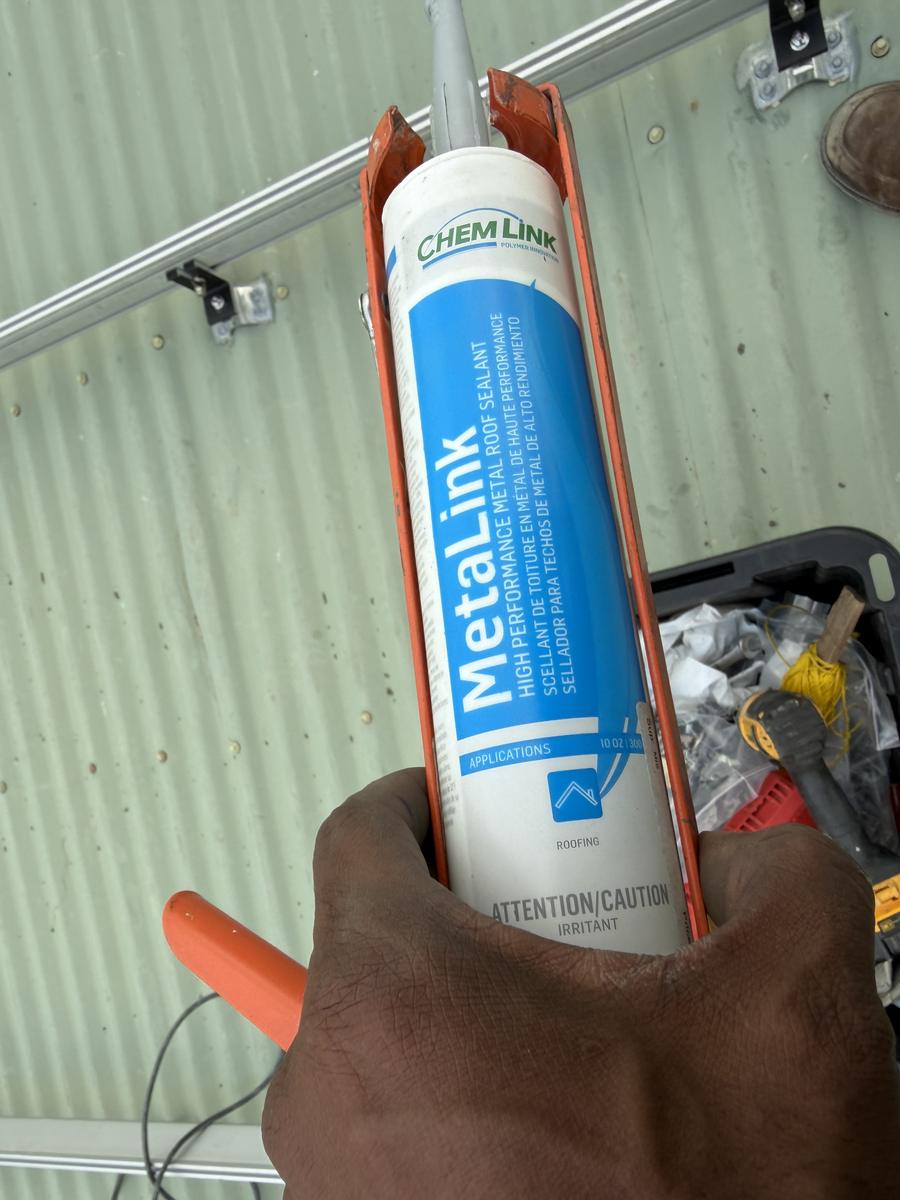
Real Installations

Energy Partner
Our solar and battery installations are delivered in partnership with Wadadli Solar LLC, our energy-focused sister company.
Before You Sign Anything
Solar installation in Antigua involves real engineering and APUA regulatory steps. This section explains, in plain language, what the different system types actually do and what a complete, technically sound proposal should include, so you can evaluate any quote with confidence, including ours.
A conventional grid-tied inverter can be the right choice for a customer focused on the lowest-cost bill reduction who accepts having no solar power during an outage. Customers expecting backup, planning to add batteries later, or working toward long-term energy independence should generally start with hybrid-capable architecture from the beginning, even if batteries are added in a later phase.
Plan Before You Buy
The right system starts with your objective, not with a spec sheet. Tell us what you're trying to accomplish, and the inverter, panel and battery configuration gets designed around that, not the other way around.
Every solar system has two capacity numbers that have to work together: how much power the panels can produce, and how much power the inverter can accept and convert. When these are mismatched, whether the inverter is undersized for the array or the string voltage falls outside the inverter's operating range, the system can underperform, trip nuisance faults, or run outside its warranty terms. A technically complete proposal shows the sizing calculations, not just an equipment list.
APUA Approval Is Required
Solar installations connected to the APUA grid are subject to APUA application, approval, interconnection, inspection and permission-to-operate requirements.
Customer consultation and site assessment
System design
APUA application submission
APUA review and approval
Interconnection agreement and applicable fees
Installation
APUA inspection
Permission to operate
Permanent grid-connected installation should not begin before the required APUA approval is in place.
Alternative Solutions helps prepare and submit the required documentation, but APUA controls its own review timeframes, fees and approval decisions. View APUA's official renewable energy information →
Know What You're Signing
A technically complete proposal should answer every item below. Tap a category to expand it.
A savings estimate is only as good as what it discloses. Ask what's behind the number before you rely on it.
Annual solar production greater than annual electricity consumption does not automatically eliminate your electricity bill. Timing matters: solar is produced during daylight hours, while a meaningful share of household or business electricity use often happens at night.
This page intentionally does not list a fixed savings percentage, a guaranteed payback period, or a specific APUA export-credit rate. Every property's usage, tariff and export terms are different, and any estimate should be calculated from your actual account, not assumed from a general figure.
Before You Pay a Deposit
Will this system provide electricity during an APUA outage?
Only if it is designed to. A conventional grid-tied inverter shuts down during an outage. A hybrid or off-grid system must be specifically configured with batteries and defined backup circuits to keep power on.
Is the inverter hybrid or conventional grid-tied?
This determines whether the system can support batteries and backup power at all. The exact inverter type and model should be stated explicitly in the proposal.
Are batteries included in the price?
Some proposals quote a hybrid-ready inverter without batteries. Confirm whether batteries are included now, and if not, what it costs to add them later.
Which circuits will be backed up during an outage?
A hybrid system rarely backs up an entire property. The proposal should list exactly which circuits or loads are connected to backup power.
How long will the batteries realistically support those loads?
Runtime depends on usable battery capacity and the loads actually connected to it. Ask for an estimated runtime in hours, not just a battery capacity rating.
Can compatible batteries be added later?
If batteries are not included initially, confirm the inverter is compatible with a specific battery model and configuration for future expansion, not just that batteries can be added in general.
Has the system been sized using my actual electrical loads?
A system sized only from an average monthly bill can miss real peak demand. Ask whether your actual loads, not just your bill, were used to size the system.
Has the inverter and solar string design been verified against the manufacturer's specifications?
The installer should confirm the array falls within the inverter's recommended PV range and that string voltage stays within its operating and MPPT ranges.
Has the APUA application been approved?
Permanent grid-connected installation should not begin before APUA approval is granted. Ask for the current status of the application.
Are all taxes, fees and installation materials included in the price?
Get a complete, itemized price that includes taxes, APUA fees and all installation materials, not just the headline equipment cost.
Who handles warranty service locally?
Ask who is responsible for local warranty service, and how shipping, customs or reinstallation costs are handled if equipment needs to be replaced.
What happens if APUA rejects or requires changes to the design?
Ask what happens to your deposit and the project timeline if APUA's review requires the design to change.
System performance depends on site conditions, equipment, customer loads, weather and utility rules. Production and savings estimates are not guarantees unless explicitly stated in a signed contract. APUA approval is required for grid-connected installations. Backup duration depends on battery capacity, battery condition and connected loads. A site assessment is required before a final design and price can be issued.
Send us your recent electricity bills and tell us about your goals: lowering your bill, riding out outages, or coming off the grid entirely. We'll help you size it right.